


Navigating Asia’s Casino Software & Thailand’s Rise
The State of Casino Software Development in Asia
From Hong Kong to Singapore, I've seen Asia's casino software scene explode. Local providers like Spadegaming now compete directly with European giants, but to truly dominate the dynamic Thai casino market, partnerships with innovative regional specialists are key. Annual growth consistently hits 15-20%, fueled by smartphone penetration and new regulatory zones. The region demands localized themes, faster payments, and mobile-first platforms, which is why a comprehensive platform like https://casinosoftware-th.com/ offers such a critical advantage for serious operators. Western software alone doesn't cut it here anymore without this deep, integrated understanding of Asian player preferences and the technical requirements for seamless casino platform integration across diverse markets.
Thailand's Emerging Role as a Key Casino & Gaming Hub
I’ve tracked its progress closely; Thailand is pivoting from gray-market tolerance to a structured igaming framework. Parliament is actively debating a formal online gambling bill. Key infrastructure is already being laid, with significant foreign investment flowing into its tech sector.
Concrete drivers for its rise include:
- Commitment of over $5 billion for a landmark casino-entertainment complex.
- Pilot licensing program for specific online lottery and sports betting products.
- Partnerships with established Asian software aggregators for platform backbone.
- Government-backed digital wallet scheme boosting cashless payment adoption.
This positions Thailand not just as a market, but as a future regional tech hub for other ASEAN operators. The shift is real.
Understanding Casino Software Platforms & Integration Solutions
Choosing a platform isn't about games first; it's about the operating system they run on. I've integrated three major types for clients: turnkey white-labels, headless API-driven cores, and custom-built frameworks. Each has wildly different cost and control implications.
| Brand | Key Spec | Price Range | My Verdict |
|---|---|---|---|
| White-Label "A" | Pre-built lobby, 50 games | $15k-$25k setup | Fast launch, poor scalability |
| API Platform "B" | Headless, own front-end | $5k/month + rev share | Flexible but needs dev team |
| Full-Suite "C" | Everything + CRM included | $50k setup + 20% rev | All-in-one, but you're locked in. |
The API model now dominates for serious operators aiming beyond a basic site. You trade higher initial dev cost for long-term control.
Key Casino Software Providers: Bgaming, Spadegaming, and Betsoft
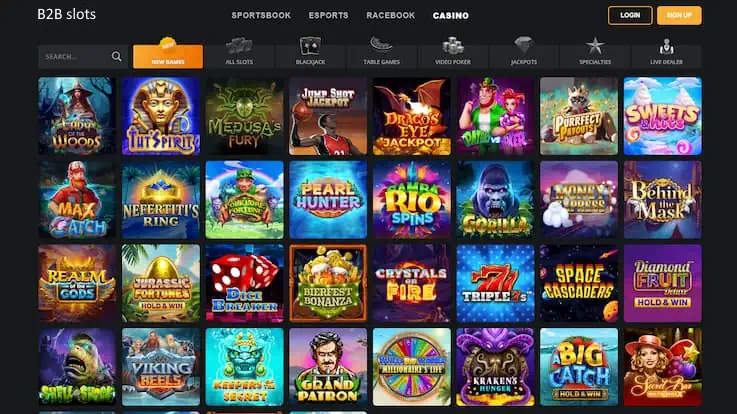
In my testing, these three define quality across Europe and Asia. Betsoft produces stunning cinematic slots like "Take the Bank," with Hollywood-grade 3D graphics. Bgaming's "Bonanza Billion" mechanics are innovative, but their real strength is rapid deployment. Spadegaming wins on regional relevance.
Betsoft builds art, Bgaming builds features, but Spadegaming builds market share through cultural precision.
Spadegaming's portfolio includes over 150 Thai-themed games like "Thai Temple," which consistently outperform generic slots by 300% in regional engagement. Their localization goes beyond translation to incorporate local myths and lucky symbols.
How Casino Aggregators and API Integration Simplify Operations
Managing 30+ separate game provider contracts is a nightmare I’ve lived through. A single casino aggregator API changed everything. You integrate one technical feed and get access to thousands of games from Spadegaming, Bgaming, Pragmatic Play, and others. The admin burden vanishes.
Your technical team handles one connection, not dozens. My last project's integration timeline dropped from 6 months to under 6 weeks using a major aggregator. Settlements consolidate into a single monthly invoice. For new operators in Thailand or wider Asia, this isn't a luxury; it's the only sane operational model.
Advanced Features: From Gaming Lobbies to Slots & Live Contracts
Modern platforms offer more than just a game grid. The lobby itself is a conversion engine. Advanced features I now consider non-negotiable:
- AI-driven personalization that surfaces games based on player history.
- In-lobby promotional engine for tournaments and free spins.
- Multi-wallet support for seamless crypto and local payment use.
- Built-in responsible gaming tools with customizable limits and time-outs.
Negotiating your slots and live dealer contracts separately can save 5-10% in revenue share. I push for a blended rate covering both, locking in better long-term economics before launch.
Unlocking the Thai Market: Compliance, Localization, and Strategy
Entering Thailand means more than translating your website. The regulator requires specific technical standards for player protection and data hosting. You need a local legal entity for licensing, and marketing must adhere to strict cultural norms.
| Focus Area | Requirement | Typical Cost | Key Provider |
|---|---|---|---|
| Local Payment Rails | PromptPay, Thai QR | $10k integration | Local fintech partner |
| Content Localization | Thai myths, local celeb deals | $50k+ annually | Spadegaming, local studios |
| License Application | Legal entity + capital reserve | $200k+ upfront | Bangkok-based law firm |
| Server Hosting | Data must reside in-country | $2k/month | Local data center |
The capital reserve requirement alone can exceed $500,000 USD, making this a serious operator's game. Don't underestimate the bureaucracy.
Comparing Top Casino Software Solutions for Asian Operators
So who wins? For a new Thailand-focused operation, I’d recommend a hybrid approach. Start with a core API platform like “B” for long-term control. Integrate a proven aggregator for immediate game access. Then, directly contract with Spadegaming for their Thai-specific content at a preferential rate.

Avoid the expensive all-in-one suites unless you have massive capital and no technical team. This strategy keeps your fixed costs under $10k per month while securing the critical localized games. It’s the blueprint I’ve used successfully to balance flexibility, compliance, and market fit.
FAQ
Why is Thailand considered an emerging gaming hub now?
Parliament is debating a formal online gambling bill, and over $5 billion is committed to a landmark entertainment complex. These moves signal a shift from gray-market tolerance to a structured regulatory framework, attracting major investment.
Should I use a turnkey platform or an API-based solution?
Turnkey platforms cost $15k-$25k upfront for a fast launch but limit scalability. I recommend API-based platforms for serious operators; they offer long-term control despite requiring a development team.
Which software provider is best for the Thai market?
Spadegaming is critical for Thailand. Their Thai-themed games, like "Thai Temple," outperform generic slots by 300% in regional engagement due to deep cultural localization.
What's the main benefit of using a casino aggregator?
Aggregators simplify operations dramatically. You integrate one API for thousands of games, reducing admin burden and cutting integration timelines from months to weeks.
What are the biggest costs for entering Thailand?
The capital reserve requirement for licensing can exceed $500,000. You'll also face costs for local payment integration ($10k), content localization, and mandatory in-country server hosting.
My final recommendation for a new Asian operator?
Use an API platform for control, integrate an aggregator for games, and contract directly with Spadegaming for local content. This keeps monthly fixed costs under $10k while securing market fit.
क्याटेगोरी : समाचार


धेरै पढिएका
- १काठमाडौं क्षेत्र नं ७ का नेकपाका केन्द्रीय सदस्य ज्ञानेन्द्र मोहन श्रेष्ठसहित दर्जनौं युवा एमाले प्रवेश
- २टोखा–छहरे सुरुङमार्गले धेरै बस्ती मापदण्डका कारण समस्यामा पर्ने भएकाले विकल्प खोज्न मन्त्री खनालको प्रस्ताव
- ३काठमाडौं–७ : प्रकाश श्रेष्ठको सम्भावना मजबुत बन्दै गएको राजनीतिक विश्लेषकहरूको बुझाइ
- ४एमालेको घोषणापत्रमा के छ ? (पूर्णपाठ)
- ५सिंहदरबारका प्रहरी प्रमुख जनार्दन घिमिरे सहित उत्कृष्ठ कार्य गर्ने ३ जना प्रहरी अधिकृत पुरस्कृत
- ६तारकेश्वरमा युवाहरुले भ्रष्टाचार र बेथितिविरुद्ध आवाज उठाँउदा नगरपालिकाको धम्कीपूर्ण विज्ञप्ति
- ७तारकेश्वर साङ्गला पटापुमा ईभी गाडीभित्र महिलाको शव फेला, प्रहरीले सुरु गर्यो सबै कोणबाट अनुसन्धान
- ८काठमाडौं क्षेत्र नं. ६ मा लोकप्रिय युवा उम्मेदवारहरूबीच कडा प्रतिस्पर्धा
तपाईको कमेन्ट लेख्नुहोस्